
Skill Development Platforms: Key Features, Learning Paths, And User Experience

Design and structure of learning paths and credentialing
Learning paths usually sequence content from foundational to advanced topics and may include milestones such as assessments or projects. Path design commonly incorporates prerequisites, modular units, and estimated effort per module. Effective paths often mix microlearning units for concept recall with longer capstone activities for synthesis. Designers may map competencies to modules to clarify what a learner can expect to demonstrate on completion, and some platforms provide competency frameworks that can be exported or aligned with external standards.
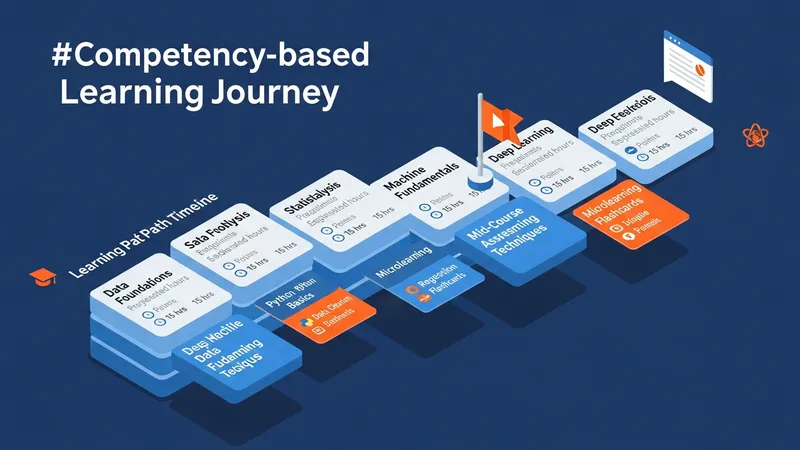
Credential types vary in granularity and validation method. Certificates issued after course completion often indicate course-level achievement, while microcredentials and digital badges can represent discrete competencies. Verification methods may involve identity checks, proctored assessments, or project review. Employers and institutions may interpret credentials differently; therefore, the context accompanying a credential—such as assessment type, project artifacts, and rubrics—can influence perceived value.
Path flexibility may be implemented through electives, modular stacking, or credit transfer options. Stacking allows learners to accumulate smaller credentials toward a larger credential, which can enable incremental skill recognition. Path designers sometimes include optional elective modules to allow specialization within a broader sequence. These structures can accommodate differing learner goals, from exploratory skill development to targeted upskilling for a specific role.
Assessment design is central to credential credibility. Objective quizzes are scalable for knowledge checks, while performance tasks, portfolios, or peer-reviewed projects may provide more direct evidence of applied skill. Rubrics and exemplar work help standardize evaluation. Platforms that document assessment criteria, provide feedback mechanisms, and retain artifacts (code samples, design files, written reports) can create richer records of learner competence for later review by employers or educational institutions.