
Skill Development Platforms: Key Features, Learning Paths, And User Experience

Interactive tools, assessments, and progress-tracking capabilities
Interactive learning tools range from in-browser code editors and lab sandboxes to simulation environments and scenario-based branching. These tools can support active learning by enabling practice and immediate feedback. Their value often depends on alignment with intended outcomes; for procedural skills, sandboxes may be especially useful, while conceptual skills may benefit from scenario simulations. Platform support for saving work, versioning, and exporting projects contributes to evidence of learning.
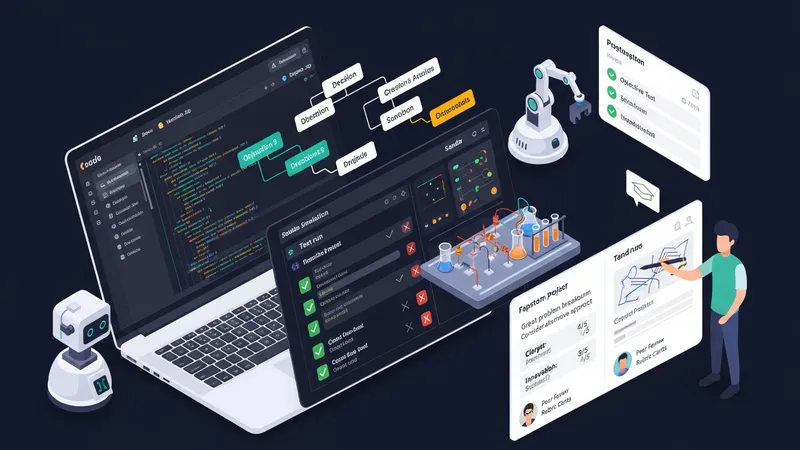
Assessment approaches commonly combine automated and human-reviewed elements. Automated grading is efficient for objective items and code correctness checks, whereas human review supports evaluation of open-ended tasks and design thinking. Peer assessment may scale human evaluation, but it requires clear rubrics and moderation to maintain reliability. Some platforms support capstone projects that undergo instructor or mentor review, often accompanied by written feedback and scoring against predefined criteria.
Progress-tracking features typically include completion percentages, time-on-task estimates, and milestone badges. Analytics dashboards for learners and managers may display trends, weak areas, and completion forecasts. Learning record standards such as xAPI can enable richer tracking of learning activities outside traditional course boundaries. Transparent metrics and clear milestone definitions may help learners plan study time and verify progress toward credentialing.
Data privacy and record portability are practical considerations when tracking progress. Platforms vary in how they store and share learner data and whether learners can export records or transcripts. Privacy controls, consent mechanisms, and clear data-retention policies are important for learners who want to retain control over their learning artifacts. Institutions and employers often examine these policies when integrating platform data with internal systems.