
Skill Development Platforms: Key Features, Learning Paths, And User Experience

Platform types and feature sets related to skill development
Different platform types address distinct learning needs: marketplace aggregators, university-hosted platforms, and specialist skills services each prioritize different features. Marketplace-style platforms may prioritize breadth of topics and flexible enrollment, while university-hosted systems often emphasize academic rigor and credit-recognition pathways. Specialist platforms focus on assessment tools and role-aligned content. When comparing feature sets, look at course taxonomy, support for learning paths, integrated assessment types, and the availability of hands-on environments such as labs or coding sandboxes.
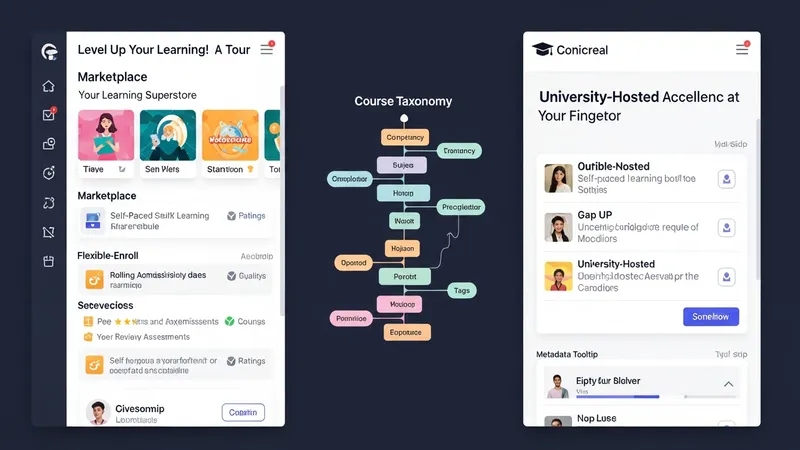
Catalog organization and search/filter capabilities typically influence discoverability. Platforms that tag content by competency, role, or skill cluster may help learners assemble coherent paths without manual sequencing. Metadata practices can vary; some providers expose explicit competency maps and prerequisites, which may make path planning more transparent. These organizational features often affect how quickly a learner can identify a sequence that aligns with a learning goal.
Integration options are a practical consideration for institutions and learners who expect credential portability. Many platforms offer APIs, single sign-on, or LMS connectors that enable enrollment and tracking across systems. Support for interoperability standards (SCORM, xAPI) can facilitate learning record exchange, though implementation quality varies by provider. Organizations often weigh integration complexity against the benefit of centrally tracking learner progress across multiple offerings.
Pricing models and access conditions commonly differ: subscription, per-course fee, or institution-licensed access each creates different incentives for path completion. Subscription models may encourage exploratory learning, while per-course pricing can make learners selective. Institution licensing can provide broader access for cohorts. Transparent information about time commitment, assessment structure, and credential recognition typically helps learners estimate whether a given platform aligns with their needs and constraints.