
Skill Development Platforms: Key Features, Learning Paths, And User Experience

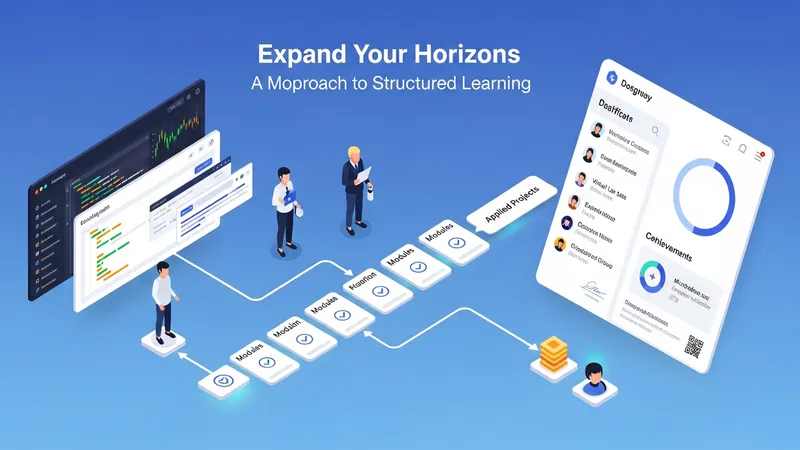
Online systems for structured skill-building combine course content, pathways that sequence learning, and interfaces that present progress and credentials. These systems are designed to help learners move from foundational concepts to applied tasks through modules, assessments, and documented outcomes. The core concept centers on integrating instructional design, content delivery, and evidence of competence so that an individual can track development over time and access relevant learning artifacts.
Key components typically include curated sequences of courses (often called learning paths), methods for verifying skill attainment (certificates, badges, or microcredentials), interactive study tools (labs, simulations, or coding sandboxes), and dashboards for monitoring progress. Platforms may also support multiple delivery modes — self-paced, cohort-based, or blended — and connect to external credentials or employer verification systems to signal attainment.
- Coursera — A large catalog platform that often offers multi-course specializations and professional certificates, with options for audited study and paid credential tracks.
- edX — A provider-hosting model that typically includes university-style courses, micromasters, and verified certificates, with support for instructor-led and self-paced formats.
- Pluralsight — A skills-focused service that often emphasizes technical learning paths, skill assessments, and role-based progress metrics aimed at continuous professional development.
One common comparison among these examples is how they structure learning sequences. Some platforms present linear learning paths that require completing prerequisite modules before advancing, while others allow free navigation across modules. This design choice can affect learner motivation and completion rates; linear paths may promote a clearer progression but can feel restrictive to experienced learners, whereas open catalogs may enable targeted upskilling but require more self-regulation.
Certification and credentialing practices vary and may influence how employers or institutions interpret attainment. Verified certificates often involve identity checks and fee-based validation, whereas digital badges or microcredentials can represent specific skills demonstrated through projects or assessments. Credentials may be portable through standards like Open Badges, and platforms may integrate with registries or LinkedIn-style profiles to make achievements visible.
Interactive features and assessment types typically shape the depth of skill development a platform can support. Automated quizzes are useful for knowledge checks, while peer review, capstone projects, and sandbox environments often provide better proxies for applied competence. The presence of project-based evaluation may correlate with stronger evidence of practical ability, though such assessments can require more instructor or reviewer resources to scale.
Accessibility and user experience factors often determine whether learners complete longer paths. Mobile-friendly interfaces, clear navigation, readable content, and accommodations for diverse learners (captions, transcripts, keyboard navigation) may improve inclusivity. Analytics and progress-tracking dashboards can help learners and managers identify gaps, but they work best when paired with clear milestone definitions and realistic time estimates.
In summary, platforms that support structured skill development combine sequenced learning, verifiable credentials, interactive assessments, and UX features that help learners navigate and monitor progress. Choices about sequencing, credential type, assessment depth, and accessibility often shape how effectively a platform supports meaningful skill growth. The next sections examine practical components and considerations in more detail.