
Healthcare CRM: Key Features And Functions For Patient Relationship Management

Healthcare CRM: Data Management, Reporting, and Analytics
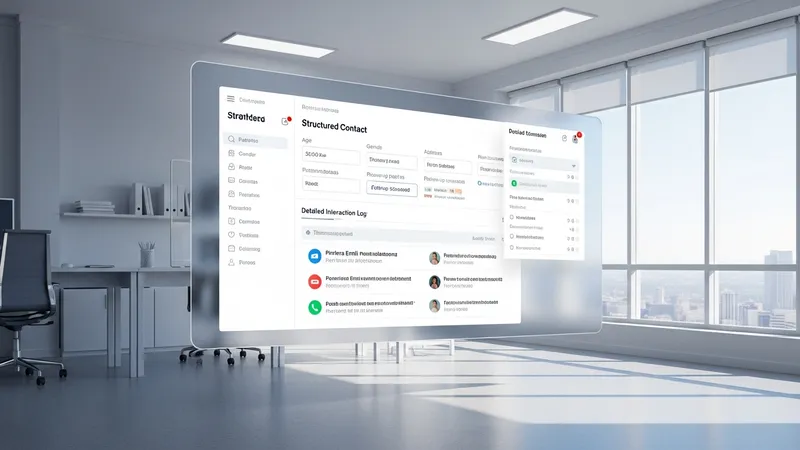
Data management in healthcare CRM encompasses contact records, interaction logs, consent histories, and operational metadata. Systems typically implement structured fields for demographics, communication preferences, and care status to enable reliable querying. Data hygiene processes such as duplicate detection, periodic validation, and consent audits are commonly recommended to maintain accuracy. When CRMs integrate with clinical records, mapping between patient identifiers and external records is often required to ensure consistent linkage and to support coherent reporting across systems.
Reporting tools within CRM platforms usually provide dashboards and exports for operational metrics such as appointment utilization, message engagement, and task completion rates. These reports may be used by administrative teams to monitor service levels and by clinical leadership to understand outreach patterns. Cohort reporting capabilities can facilitate population-level queries, such as identifying patients due for screening, without implying predictive accuracy; analytics outputs are typically descriptive and inform decisions rather than guarantee outcomes.
Analytics functions may include trend analysis, segmentation, and basic predictive models that estimate outreach response likelihood or no-show risk. When predictive components are used, their limitations and data provenance are important to document; teams often validate models on historical data and monitor performance over time. Visualization features may aid interpretation of patterns, but responsible use requires clarity about assumptions and the potential for bias in underlying data sets.
Data governance and access control are central to CRM reporting practices. Role-based permissions, audit logs, and encryption of sensitive fields are common controls to restrict access and to maintain accountability. Establishing clear policies for data retention, export, and third-party access can reduce risk and align CRM use with broader organizational governance frameworks. Periodic reviews of user access and report distributions help ensure that reporting supports operational needs without exposing unnecessary data.