
Healthcare CRM: Key Features And Functions For Patient Relationship Management

Healthcare CRM: Appointment Scheduling and Workflow Automation
Appointment scheduling modules in CRM often include online booking interfaces, configurable appointment types, and rules for staff availability. These modules may integrate with existing calendars and clinical systems to reflect real-time availability and to prevent double-booking. Features such as buffer times, resource assignment (rooms or equipment), and multi-provider coordination are typical in larger practices. Scheduling workflows can also capture intake data at booking time to streamline check-in, and automated reminders tied to bookings may reduce administrative follow-up needs when implemented thoughtfully.
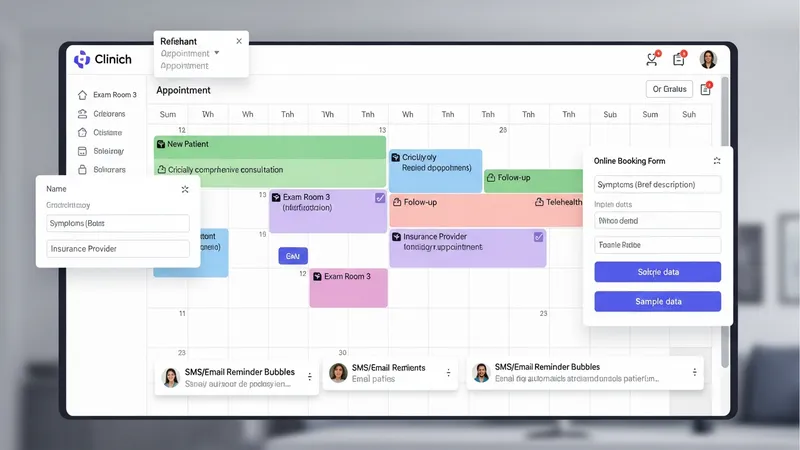
Workflow automation frequently uses conditional rules to route tasks and generate reminders. Common examples include automated follow-up sequences after missed appointments, notifications when test results are available, and periodic outreach for preventive care. Rules engines may support time-based triggers and patient attribute checks to limit unnecessary messaging. Effective automation design typically involves mapping existing staff workflows, identifying repeatable tasks, and building rules that support human oversight rather than fully replacing staff judgment.
Integration between scheduling and clinical workflows can support pre-visit preparation and post-visit tasks. Pre-visit questionnaires, medication reconciliation prompts, and insurance verifications may be initiated through the CRM and routed to appropriate staff. After visits, CRMs can generate task lists for care coordination, referrals, or billing follow-up. Tracking completion of these tasks and linking them to patient records helps create an auditable trail and allows organizations to measure process efficiency over time.
Operational considerations commonly include capacity planning, no-show mitigation strategies, and staff training on new scheduling tools. Practices often pilot scheduling features with a subset of users to assess appointment uptake and identify configuration issues. Analytics on slot utilization and lead times for booking can inform adjustments to appointment offerings and staffing patterns, while waitlist functionality may be used to optimize resource use without overcomplicating patient-facing options.