
Car Coating: Understanding Ceramic, Wax, And Sealant Protection

Maintenance and Longevity Considerations for Coatings
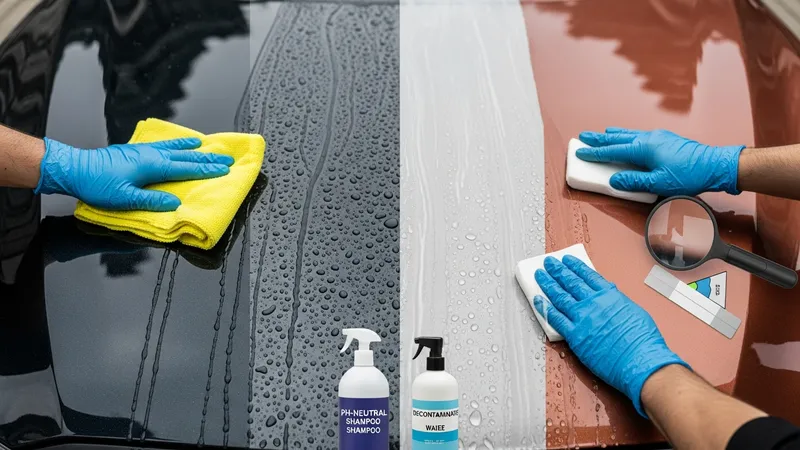
Maintenance routines commonly differ by coating type and environmental exposure. Ceramic-type coatings may reduce the need for aggressive cleaning by making the surface more hydrophobic and less prone to bond with contaminants, though they do not render a surface maintenance-free. Regular washing with pH-neutral shampoos, periodic decontamination for bonded residues, and avoidance of abrasive cleaners often extend the functional lifespan of any coating. For waxes, more frequent renewal may be necessary to sustain visual and protective properties, typically dictated by exposure to sun, rain, and roadway contaminants.
Longevity expectations should be framed as typical ranges rather than certainties. Ceramic-type coatings are often described as offering longer service life than waxes, though actual durability can depend on formulation, application quality, and environmental stressors. Polymer sealants may provide intermediate longevity. Factors such as regular exposure to urban pollution, salt, or frequent automatic car washes with harsh detergents can accelerate wear. Establishing a consistent wash schedule and periodic inspection often helps detect thinning or loss of hydrophobic behavior, which can guide reapplication timing.
Repair and reapplication strategies are considerations rather than prescriptive instructions. Over time, surfaces may require corrective polishing or reapplication of a maintenance layer to restore gloss and water behavior. For ceramic-type coatings, light abrasion may remove degraded surface layers, necessitating retreatment for long-term performance. For polymer sealants and waxes, scheduled renewal is common practice. Each approach may affect the substrate differently, and decisions about repair often balance the condition of the clear coat, previous treatments, and desired visual outcomes.
Cleaning methods can influence appearance and the effective life of coatings. Using soft microfiber wash mitts, two-bucket wash methods, and non-abrasive drying techniques can reduce swirl marks and maintain gloss. For stubborn deposits, targeted decontamination methods (chemical iron removers, clay barring) may be appropriate but should be used with awareness of the coating type and manufacturer guidance. Users often weigh the time and resources they can commit to maintenance against the expected benefits of longer-lasting coatings when selecting an approach.