
Car Coating: Understanding Ceramic, Wax, And Sealant Protection

Performance Factors and Cost Considerations for Car Coatings
Performance of coatings depends on multiple interacting factors. Chemistry, film thickness, degree of bonding to the clear coat, and exposure conditions all influence how a coating performs over time. Ceramic-type coatings may often provide higher measured hardness and prolonged hydrophobicity in controlled tests, but field performance varies with substrate condition and maintenance. Polymer sealants tend to show consistent gloss retention with moderate chemical resistance, and waxes typically deliver immediate aesthetic enhancement with shorter duration. Evaluating these factors helps set realistic expectations regarding lifecycle and maintenance.
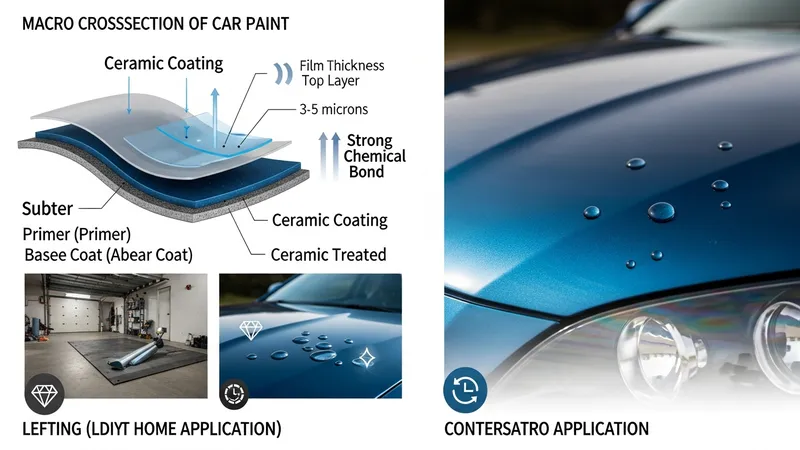
Cost considerations typically reflect product complexity, application labor, and required preparation. DIY wax products and entry-level sealants may be relatively low-cost and can be applied with basic tools. Advanced ceramic-type systems and professional application often require more extensive surface correction, controlled application environment, and training, which can raise upfront costs. Users often compare the time and effort required for ongoing maintenance against one-time application costs to determine which approach aligns with their priorities, recognizing that higher initial expense does not guarantee a particular outcome in every context.
When assessing value relative to cost, consider local environmental conditions such as frequent sun exposure, road salt, or industrial fallout, all of which can increase the rate of surface degradation. In such settings, coatings that emphasize chemical resistance and ease of cleaning may reduce long-term maintenance time, although they do not eliminate the need for periodic attention. Comparative assessments often use typical longevity ranges and documented maintenance schedules to estimate lifecycle effort and expense, framed as typical patterns rather than assured results.
Decisions about coatings can incorporate practical tips as considerations rather than directives. For example, staging a trial application on a single panel, documenting initial appearance and short-term maintenance needs, and monitoring changes over months may inform broader choices. Keeping records of preparation steps, environmental exposures, and wash frequency can help correlate real-world performance with product claims. These observational approaches typically support informed decision-making without asserting guaranteed outcomes or prescribing a single correct solution.