
Car Coating: Understanding Ceramic, Wax, And Sealant Protection

Application Methods and Curing for Ceramic, Wax, and Sealant Protection
Surface preparation is commonly emphasized before any coating application. Typical steps include a thorough wash, decontamination with clay or chemical cleaners to remove bonded particulates, and paint correction to address swirl marks or light oxidation when needed. For ceramic-type coatings, technicians often perform a final isopropyl alcohol wipe or similar surface prep to reduce oils that could inhibit bonding. For waxes and polymer sealants, thorough cleaning still aids even coverage and appearance. These preparatory steps may influence adhesion and long-term visual quality rather than providing guaranteed performance outcomes.
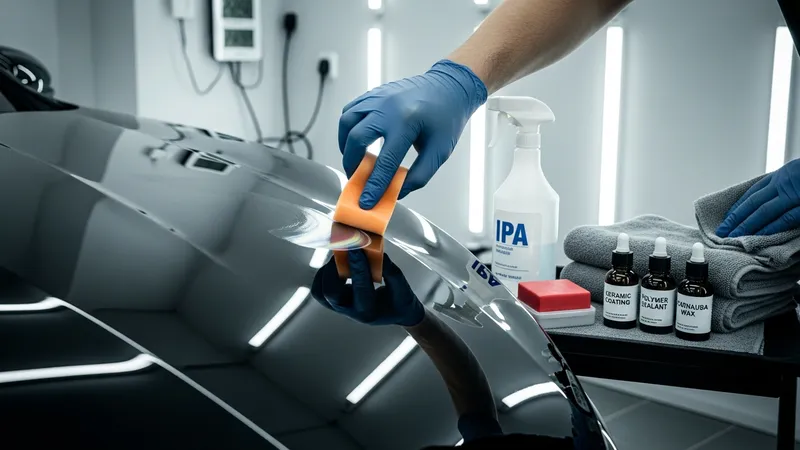
Application technique varies by product category. Ceramic-type coatings often require small, overlapping passes using a soft foam or microfiber applicator, with careful attention to working time and buffing to remove high spots. Polymer sealants may be applied similarly but can allow slightly longer working windows for leveling. Waxes are frequently spread thinly and buffed after a short dwell. Environmental conditions such as ambient temperature and humidity can affect solvent evaporation and cure, so many application protocols suggest controlled conditions to minimize surface contamination during the critical setting period.
Curing and post-application care are practical considerations. Some ceramic-type products may require a short initial cure window after which the vehicle should avoid heavy moisture exposure for a specified time, while others may tolerate normal conditions sooner. Polymer sealants and waxes may reach usable condition rapidly but continue to develop over hours to days. In all cases, manufacturers typically describe maintenance washing intervals and avoidance of aggressive cleaners immediately after application. These timelines are often presented as ranges and can depend on specific product chemistry and ambient conditions.
Tools and techniques used can influence consistency of application. Using consistent, soft applicators and clean microfiber towels for buffing can reduce streaking and uneven finish. Mechanical polishing tools may be used for paint correction prior to coating but require appropriate technique to avoid introducing new defects. DIY application kits exist for each category and are often formulated to simplify steps, yet professional application may be chosen where controlled conditions and specialized equipment are desired. Considering these differences can help set appropriate expectations about time and effort involved.