
Indoor Security Cameras: How They Work For Home Monitoring And Safety

Indoor Security Cameras: Privacy, Legal, and Ethical Considerations
Recording inside a residence raises legal and ethical questions that vary by jurisdiction. Laws often differentiate between video-only capture and audio recording, with stronger restrictions commonly applied to audio in private spaces. Users may need to consider consent requirements for recording others in shared spaces and whether notices or explicit permission are appropriate for guests and service personnel. Familiarity with local statutes and case law is advisable when establishing monitoring practices in communal or multi-occupancy settings.
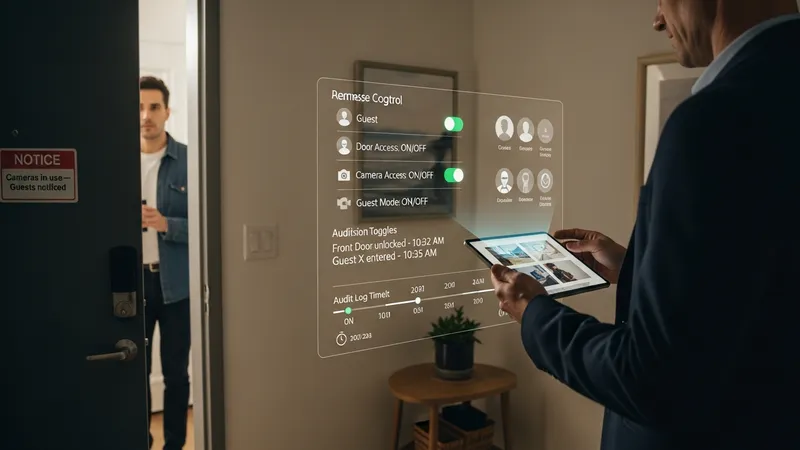
Ethical considerations relate to balancing safety objectives with personal privacy. Configuring cameras to avoid bedrooms and bathrooms, using privacy masks to block sensitive areas, and limiting retention periods are common measures that aim to protect household members’ dignity while preserving useful monitoring capability. Multi-user access control can restrict who may view live feeds or download recordings, and audit logs—where available—can provide a record of access events to support accountability within a household.
Network and data security measures reduce the risk that recorded material is accessed by unauthorized parties. Employing strong authentication, keeping device firmware current, and placing cameras on segmented networks can decrease exposure. When using cloud services, reviewing provider privacy policies and data handling practices may clarify where data is stored and under what circumstances it might be accessed. Exported footage should be handled cautiously, with awareness of how sharing may affect privacy expectations for other household members or visitors.
Operational transparency and household communication are practical ways to align monitoring with ethical norms. Discussing where cameras are placed, what they record, and how long footage is retained can establish shared expectations and reduce misunderstandings. Where relevant, configuring visible indicators—such as LEDs or app status indicators—can signal when a camera is active. These approaches support informed consent and contribute to a monitoring setup that aims to balance safety, convenience, and respect for privacy.