
Healthcare Billing Software: Streamlining Claims Management And Reimbursement Processes

Payment posting, reconciliation workflows, and revenue visibility
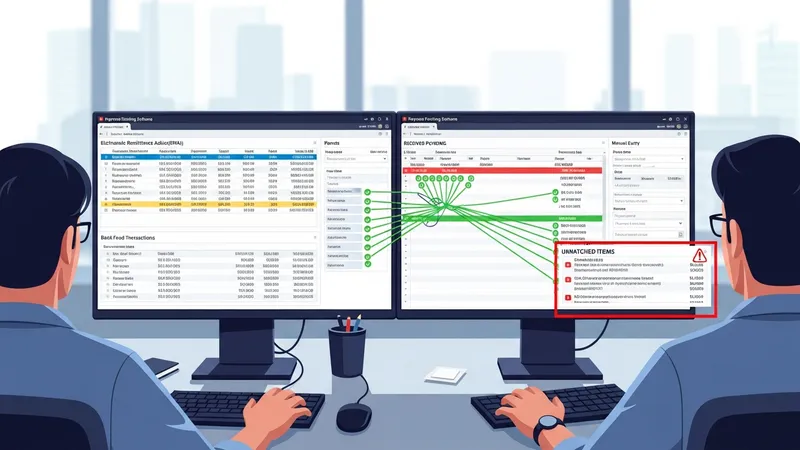
Payment posting modules often accept electronic remittance advice, bank feeds, and manual entries to reconcile payer payments and patient payments with billed claims. Automated matching uses identifiers such as claim numbers and service dates; unmatched items typically generate exception queues for manual review. Accurate reconciliation supports financial reporting and informs patient billing processes by distinguishing insured payments from patient responsibility and denials requiring follow-up.
Reconciliation complexity can grow when multiple payers, coordination of benefits, and secondary billing are involved. Systems that support coordination workflows can route secondary claims automatically once primary adjudication completes. In other situations, manual coordination may be necessary where payers return inconsistent remittance information. Organizations often create policies for when staff can rebill, appeal, or write off balances after structured review.
Many implementations include dashboards that display accounts receivable aging, payer payment patterns, and days in accounts receivable metrics. These visualizations may help identify bottlenecks such as slow payer response or high denial volumes for particular services. While such indicators can guide operational adjustments, they should be interpreted alongside qualitative factors such as claim complexity and seasonal variations in service mix.
Insider considerations include scheduling routine reconciliation cycles, defining thresholds for escalation, and maintaining a clear chain of documentation for adjustments. Teams typically document common remittance anomalies and create reference guides for staff to handle recurring patterns efficiently. These practical steps can reduce time to resolution while ensuring consistent posting practices.