
Healthcare Billing Software: Streamlining Claims Management And Reimbursement Processes

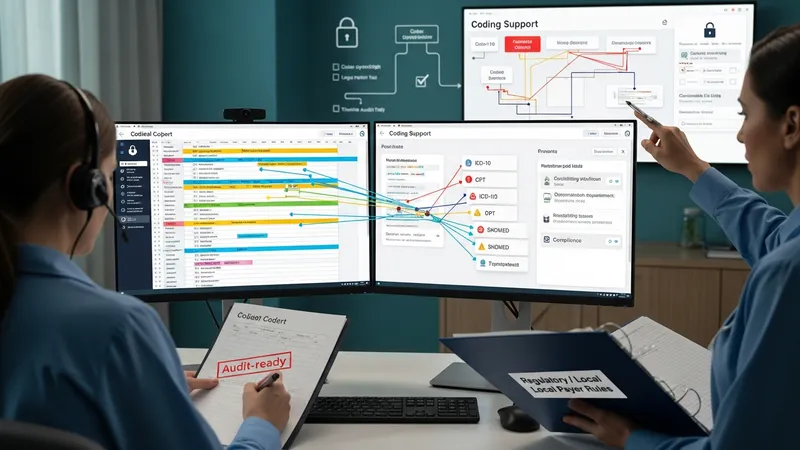
Clinical coding support and regulatory compliance considerations
Coding support modules can include code lookup tools, mapping of clinical terms to standardized code sets, and warnings for incompatible combinations. They often reference current versions of coding systems and may add rules for local payer exceptions. Because coding interacts with both clinical documentation and billing rules, these modules work best when paired with policies for documentation quality and coder oversight. Organizations typically retain qualified coders to interpret complex cases and to make discretionary decisions that automated tools cannot fully resolve.
Compliance features may include configurable edit lists, documentation requirement flags, and workflows for prebilling reviews. Systems that screen for documentation gaps can reduce some denial causes, though they may increase front-end work. Regulatory frameworks for data protection and billing accuracy vary by jurisdiction; implementing teams often consult legal and compliance specialists to align software settings with local requirements and audit readiness expectations.
Updates to code sets and payer policies require ongoing maintenance. Many organizations schedule regular reviews and software updates to incorporate new codes, revised billing rules, and changes in payer adjudication logic. Failure to update code sets promptly may increase the likelihood of rejections. Maintenance plans and version control for rule sets are practical considerations to limit disruption when standards change.
Training and role definitions are part of compliance posture. Clear delineation of responsibilities—for example, who may override automated edits or who handles appeals—helps maintain accountability. Training that emphasizes interpretation of alerts and proper documentation practices can improve the effectiveness of coding support features without implying that software alone ensures compliance.