
Dental Cleaning: Understanding Professional Teeth Cleaning Procedures

Professional dental cleaning refers to clinical procedures performed by qualified dental hygienists or dentists that remove deposits and surface stains from teeth and support tissues. These procedures typically include assessment of oral soft tissues, removal of plaque and calculus using mechanical or ultrasonic instruments, polishing of tooth surfaces, and selective application of preventive agents such as topical fluoride. The goal of professional cleaning is to maintain oral hygiene, reduce factors that can contribute to gum inflammation, and assist with ongoing monitoring of oral health by a licensed clinician.
Professional cleaning differs in scope and technique depending on the clinical context. Routine prophylaxis usually focuses on supragingival plaque and polishing, while more extensive periodontal procedures may address subgingival deposits and root surfaces. Instruments commonly used include hand scalers, curettes, ultrasonic scalers, and polishing devices; adjunctive tools such as suction, intraoral cameras, and periodontal probes are often used for assessment and comfort. Cleanings can vary in duration and intensity depending on oral conditions, prior care, and individual sensitivity.
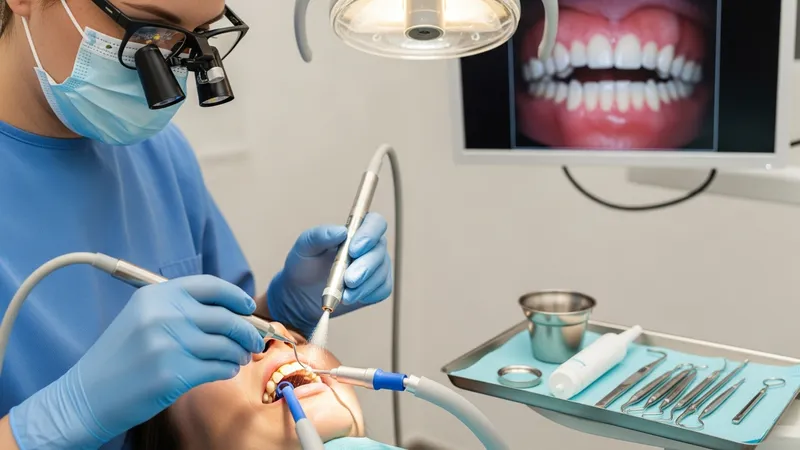
- Routine prophylaxis: a preventive session that may include tartar removal above the gum line, polishing, and flossing to reduce surface stains and maintain gum health.
- Scaling and root planing (non-surgical periodontal therapy): a deeper approach that may focus on removing hardened deposits below the gum line and smoothing root surfaces to reduce bacterial retention.
- Ultrasonic and air-polishing methods: mechanical devices that may use vibrations or pressurised air with an abrasive medium to remove deposits and stains with less manual scraping.
Comparing routine prophylaxis and deeper periodontal procedures can clarify intended outcomes. Routine prophylaxis is commonly scheduled for maintenance in patients with generally healthy gums and may be performed at regular intervals; it typically addresses visible plaque and supragingival calculus. Scaling and root planing may be considered when clinical signs suggest accumulation below the gum line or pocketing; this approach often requires a more detailed periodontal assessment and follow-up. The choice of method can depend on clinical findings, patient tolerance, and the treating clinician’s diagnostic evaluation.
Instrument-related considerations often affect patient experience and clinical efficiency. Ultrasonic scalers can remove large amounts of calcified deposit efficiently and may reduce hand fatigue for the clinician, while hand instruments provide tactile feedback that can be useful for detecting and removing localized deposits. Air-polishing can be effective for stain removal and biofilm disruption but may be contraindicated in some respiratory conditions or for highly abrasive powders on restorative materials. These trade-offs may be discussed by clinicians when planning care.
Preventive value of professional cleaning is typically described in terms of ongoing maintenance rather than curative claims. Regular clinical assessments during cleaning visits may identify early signs of gum inflammation, tooth wear, or restorative issues that can warrant monitoring or further diagnostic steps. Clinical documentation, such as periodontal charting and intraoral photography, may be updated during these visits to track changes over time. Patients often receive tailored advice about daily oral hygiene that is consistent with clinical findings.
Comfort, potential sensations, and safety considerations during professional cleaning often vary by procedure. Mild sensitivity during or after scaling may occur in some patients, and clinicians commonly use topical agents or adjusted techniques to manage discomfort. Infection-control measures, instrument sterilisation, and standard precautions are routine components of professional care to reduce cross-contamination. Patients with specific medical histories or implants may require communication with the clinician to ensure appropriate modifications or considerations.
In summary, professional dental cleaning encompasses a range of clinical procedures that may address surface hygiene, subgingival deposits, and stain removal using different instruments and methods. The selected approach can depend on clinical assessment, patient sensitivity, and the intended maintenance goals. The next sections examine practical components and considerations in more detail.