
Accounting Services: Key Factors To Evaluate When Choosing A Provider

Technology integration, data security, and decision-making considerations
Technology choices influence efficiency and reporting capability. Providers may operate on mainstream cloud accounting packages, bespoke systems, or hybrid setups. Integration capabilities—APIs, bank feeds, payroll connections, and expense platforms—can reduce manual data entry and improve data timeliness. When evaluating providers, consider whether the proposed technology stack aligns with existing systems and whether data export options are available to support future portability or internal analysis. Demonstrations or sample report extracts may help assess technical fit.
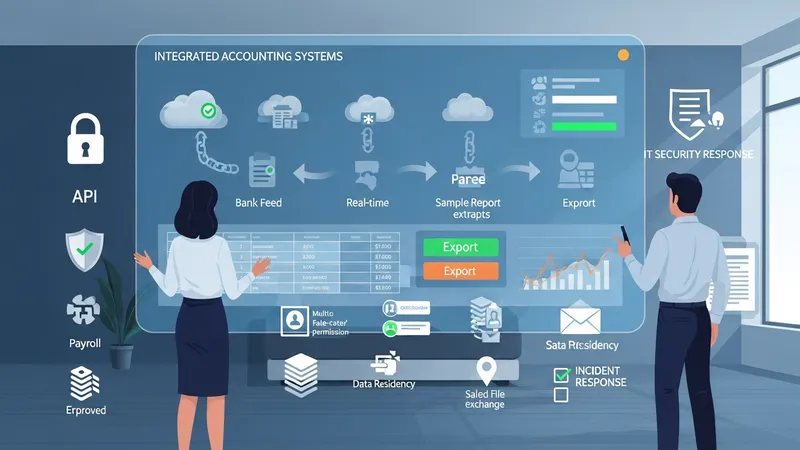
Data security and access controls are central to risk management. Relevant practices include encrypted data transmission, role-based permissions, multi-factor authentication, and routine backups. Providers may describe retention policies, data residency considerations, and procedures for secure file exchange. Organisational assessors often review whether service providers maintain incident response plans and whether they perform periodic security assessments. These measures are considered as part of an overall risk profile rather than guarantees of immunity from breaches.
Evaluating the provider’s reporting outputs supports informed decision-making. Look for clarity, consistency, and actionable presentation in sample reports: reconciled balances, variance commentary, and timely KPIs. The ability to customise report templates and to provide underlying schedules or drill-down details may be relevant for managers who rely on granular data. Providers that can produce both standard statutory statements and tailored management reports may facilitate both compliance and operational oversight without duplicative effort.
Ongoing review and governance help maintain service alignment. Regular performance reviews, review of fee arrangements relative to delivered scope, and periodic reassessment of technology fit are practical considerations. Organisations may establish simple KPIs—timeliness of reports, accuracy measures, or responsiveness metrics—to monitor providers. Framing these elements as part of an objective oversight process may support constructive adjustments over time and inform whether contractual changes or additional services are warranted.