
Accounting Services: Key Factors To Evaluate When Choosing A Provider

Pricing structures, service-level expectations, and communication practices
Common pricing models include fixed monthly fees for a defined scope, hourly billing for ad hoc tasks, per-transaction fees, and blended retainers for ongoing advisory. Each model has trade-offs: fixed fees provide budget predictability but may require careful scoping; hourly models allow flexibility but can vary month to month. Organisations often request fee ranges or example engagements to understand likely cost exposure. Transparent fee schedules and clearly defined inclusions and exclusions can help both sides assess affordability and set realistic expectations for resource allocation.
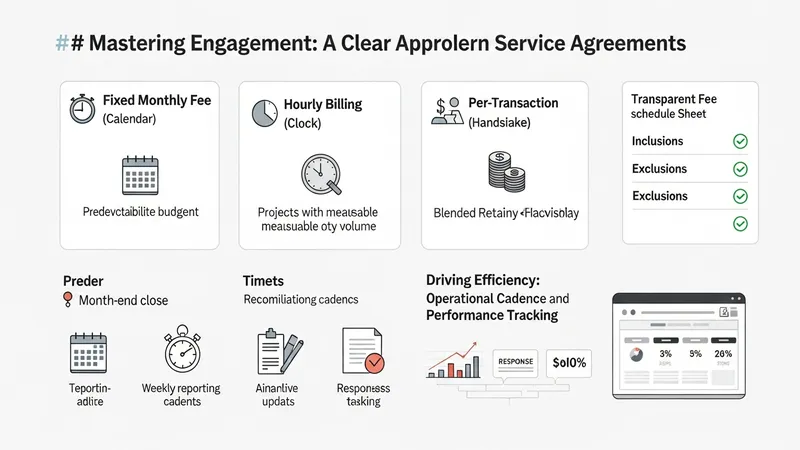
Service-level expectations address timing, quality, and responsiveness. Typical elements include agreed month-end close timelines, turnaround time for reconciliations, reporting cadence, and response time for routine queries. Some providers document escalation pathways for issues that require senior review. Clarity on these points can reduce misalignment; organisations may include performance indicators or review checkpoints in engagement documents to monitor adherence to expectations without creating punitive frameworks.
Communication practices shape day-to-day collaboration. Important considerations include designated primary contacts, backup contacts, preferred communication channels (email, secure portal), and regular meeting rhythms such as weekly operational calls or monthly reporting reviews. A provider’s approach to documenting decisions, circulation of draft reports, and version control for shared files may affect transparency. These behaviours often influence perceived service quality and the ease with which operational questions are resolved.
Contractual and onboarding details often reflect pricing and communication choices. Useful elements to request for review include a sample statement of work, definitions of out-of-scope activities, and estimated timelines for onboarding. Transition plans may describe parallel runs, data migration steps, and responsibilities for historical corrections. Including these elements as considerations during selection may reduce implementation risk and support a smoother ongoing working relationship.