
Sperm Donation Clinics: Using Reviews To Evaluate Services And Support

Communication and support as reflected in client and donor feedback
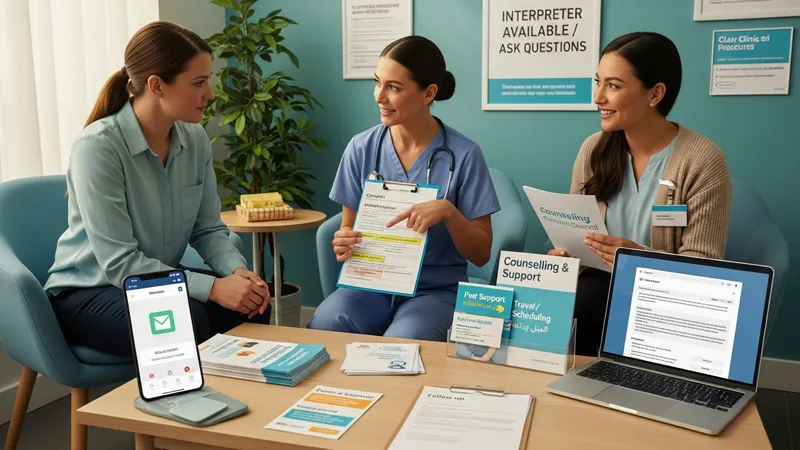
Feedback about communication often centers on how clearly staff explain procedures and consent matters. Reviewers may describe whether clinic staff used plain language, provided translated materials, or offered time to answer questions. Comments typically note responsiveness to email or phone queries and whether follow-up information was provided after appointments. Such patterns can indicate how a clinic prioritizes client education and emotional support, but they remain subjective. It is useful to compare reported communication approaches with the clinic’s stated protocols and to consider whether reviewers reference documentation that corroborates verbal explanations.
Support services that appear in reviews can include psychological counselling, peer support referrals, and practical guidance about scheduling or travel. Donor and recipient accounts may identify whether counselling was available before and after donation or whether the clinic provided written resources. These observations can suggest how comprehensively a clinic frames non-medical support, but reported availability may vary by clinic size and regional regulations. Readers may find it helpful to note whether multiple reviews consistently mention the same support offerings, as repeated references can indicate an established service rather than an isolated incident.
Review content may also reflect how clinics manage sensitive conversations, such as consent for future contact between donors and offspring or discussions about anonymity. Reports often describe the tone and privacy of these conversations and whether staff documented preferences clearly. Because such topics are legally and ethically nuanced, reviewer impressions should be cross-checked with formal consent forms and relevant legal guidance. When several reviewers reference similar consent processes, that information can be useful for understanding typical clinic practices while remaining mindful of jurisdictional differences.
When using reviews to assess communication and support, a cautious reader will consider the distribution of comments across time and platforms. Recent reviews may reflect current practice changes, while older comments might be less relevant if clinic policies have been updated. Similarly, consistent themes across independent platforms—clinic websites, general review sites, and specialist forums—may carry more weight than a cluster of comments limited to one source. These comparative approaches can help form a reasoned impression without over-relying on any single narrative.