
Small Business Health Insurance: Understanding Average Costs And Premium Structures

Enrollment processes, eligibility rules, and administrative considerations
Enrollment timing and open enrollment windows influence plan participation and cost predictability. Employers commonly set annual open enrollment periods and may allow new hires to enroll after satisfying defined waiting periods. Waiting periods, minimum hours requirements, and definitions of eligible employee classes shape the size and stability of the risk pool, which in turn affects average per-enrollee costs. Smaller groups may see larger fluctuations from staff turnover; therefore, policies about coverage effective dates and special enrollment events can change short-term enrollment counts and associated premium obligations.
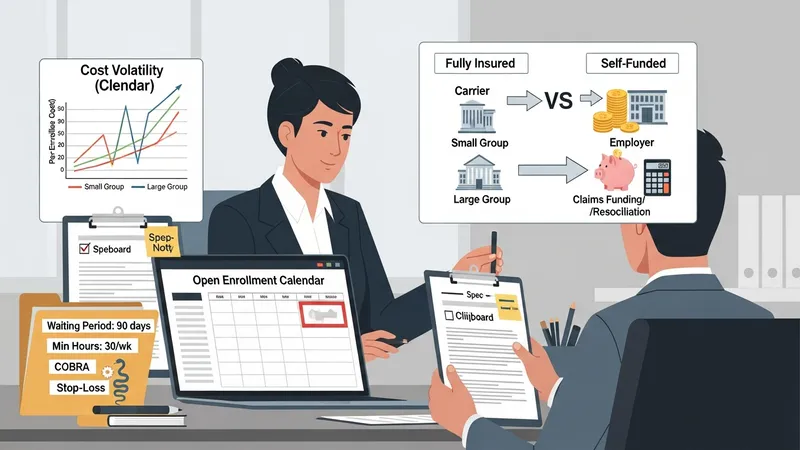
Administrative responsibilities differ by plan structure and often determine the complexity of enrollment and ongoing plan maintenance. Fully insured plans typically place many administrative functions with the carrier, including billing and claims adjudication, reducing employer-facing operational tasks. Self-funded arrangements require ongoing claims funding, reconciliation, and stop-loss coordination, increasing administrative involvement. TPAs or brokers may provide enrollment systems, COBRA administration, or compliance support. Employers should understand billing cadence, reconciliation timelines, and documentation required for accurate premium or claim funding.
Eligibility design and plan communication affect employee uptake and the composition of covered lives. Clear definitions about dependents, domestic partners, and part-time classifications reduce ambiguity and potential enrollment disputes. Communication materials that explain cost-sharing and network access may influence elective participation by employees. For small employers, careful enrollment management can reduce adverse selection risk and help preserve the affordability of employer contributions. Documentation retention and timely updates for life events also play a role in accurate premium allocation and compliance with applicable rules.
Renewal analytics and review processes are practical administrative considerations that may moderate future cost trends. Employers often examine carrier or TPA renewal exhibits, claims patterns, and pharmacy trend reports to identify cost drivers prior to negotiating renewal terms. For self-funded arrangements, regular claims monitoring and stop-loss utilization reviews can inform funding adjustments. Level-funded reconciliation processes require tracking prepaid deposits and claims experience to understand surplus or deficit outcomes. These practices help employers align funding strategies with operational capabilities and financial planning.