
Slip And Fall Accident Lawyers: Understanding Legal Representation After An Injury

Gathering and Preserving Evidence in a Slip-and-Fall Matter
Evidence gathering is critical and often begins at the scene when feasible. Standard practices include photographing the exact location, noting the dimensions and materials involved, and collecting evidence of transient conditions such as spilled liquids or icy patches. Preservation requests for surveillance footage are frequently used to prevent deletion, and practitioners typically document the identities and contact information of witnesses promptly. The goal is to create a contemporaneous record that can support factual claims about the condition and sequence of events without asserting expected results.
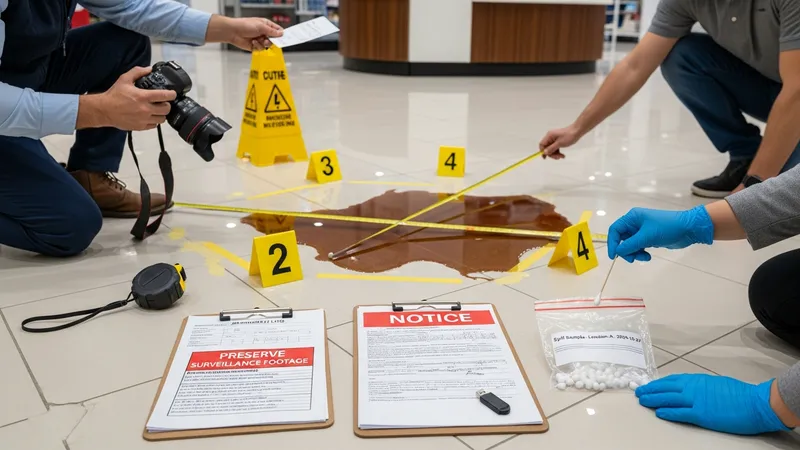
Documentation beyond the scene often involves seeking maintenance, inspection, and incident logs that may show prior complaints or remedial efforts. Such records can help establish how long a condition existed and whether property managers followed cleaning or inspection protocols. Attorneys may also review policies and training materials related to premises upkeep to evaluate whether practices aligned with reasonable care expectations. These inquiries are fact-finding in nature and commonly inform whether negotiation or litigation is advisable given the strength of the documentary record.
Medical and biomechanical evidence play a role in connecting the fall to injury outcomes. Practitioners often collect emergency department reports, imaging studies, therapy notes, and work-absence documentation to support damage claims. Where causation is contested or injuries are complex, engagement of medical or biomechanical experts may be considered to interpret records and explain how the physical forces at the scene could result in the observed injuries. Such expert involvement is an informational resource rather than a guarantee of any particular legal outcome.
Preserving chain of custody and maintaining organized case files are practical measures that help support admissibility of evidence. Attorneys often track how physical items, digital files, and witness statements are obtained and stored to reduce disputes over authenticity. They may advise on timelines for issuing preservation letters to entities likely to possess relevant footage or records. These steps are typically presented as standard professional measures to maintain evidentiary integrity rather than promises about case resolution.