
Residential Mental Health Facilities: Key Features, Services, And Treatment Approaches

Safety protocols, regulation, family involvement, and measuring program outcomes
Safety protocols in residential programs commonly include risk assessment procedures, medication management policies, emergency response plans, and staff training in de-escalation and first aid. Facilities often maintain written policies covering incident reporting, infection control, and visitor guidelines. Licensing authorities or regulatory bodies in many jurisdictions set baseline safety and staffing standards that programs must meet; these standards may influence facility design, staff-to-resident ratios, and mandatory training requirements. Understanding local regulatory expectations can clarify what safety measures are typical for a given program.
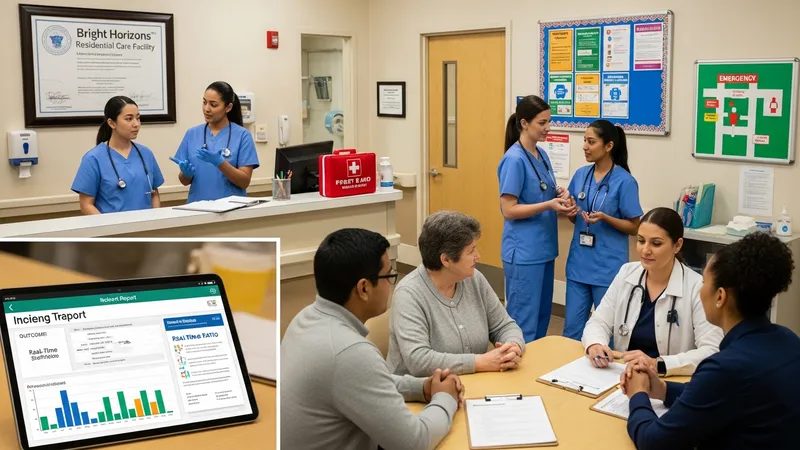
Family and support network involvement is frequently an important component of residential care when appropriate and with resident consent. Programs may invite family participation in care planning, provide family education sessions, and coordinate with external supports to facilitate post-discharge arrangements. Confidentiality constraints and resident autonomy are central considerations; teams typically seek consent for information-sharing and work to balance resident preferences with supportive engagement from family or caregivers.
Measuring outcomes in residential care can involve multiple indicators such as symptom change, functional status, rehospitalization rates, housing stability, and employment or education engagement after discharge. Programs may use validated scales, routine outcome monitoring systems, and satisfaction surveys to track progress. Outcome measurement helps inform program improvements and resource allocation, though results must be interpreted cautiously because individual trajectories can vary and multiple external factors often influence longer-term outcomes.
Quality considerations also encompass governance, staff competencies, and alignment with evidence-informed practices. Regular audits, external reviews, and stakeholder feedback mechanisms are common approaches to maintaining program standards. For individuals and families exploring residential care, practical considerations include verifying licensure, reviewing typical program structures, and asking how progress is monitored. These inquiries can help clarify the services offered and the ways in which programs assess whether residents are meeting their stated goals.