
Renting Studio Apartments: Budgeting, Deposits, And Ongoing Costs In 2026

Lease terms, renewals, and long-term cost planning for studio rentals in 2026
Lease length and renewal terms influence both stability and potential cost changes during occupancy. Fixed-term leases typically set rent for a specified period, which can aid in budgeting, while shorter or month-to-month arrangements allow flexibility but may lead to more frequent rent adjustments. Renewal clauses often state notice periods and may outline how rent changes will be implemented. Tenants planning for longer stays may consider how renewal cycles and market trends could affect cumulative housing costs over multiple years rather than focusing solely on current monthly rent.
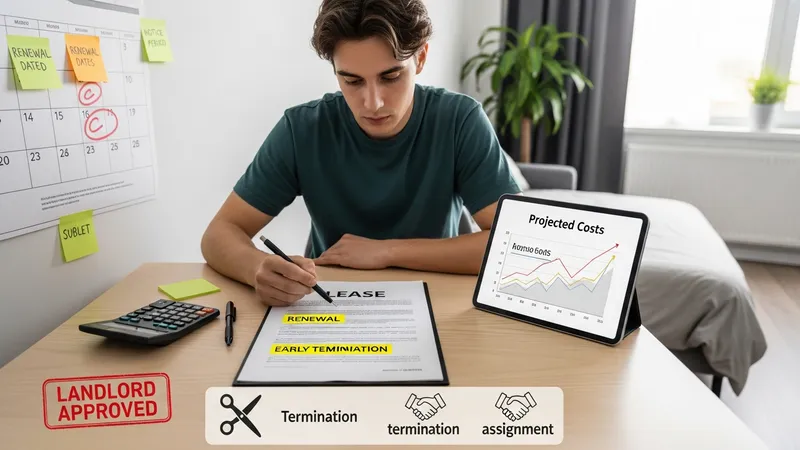
Clauses regarding early termination, subletting, or assignment can have financial implications if circumstances change. Some leases enumerate penalties or require payment of remaining rent if a tenant ends the lease prematurely, while others permit transfer with landlord approval. Subletting provisions may enable temporary cost sharing but typically require consent and may involve administrative steps. Understanding the financial consequences of these terms as part of lease selection can help renters weigh immediate affordability against potential future obligations.
Periodic increases in rent or assessments for building-wide expenses may alter long-term cost projections. Landlords sometimes adjust rent competitively with local market conditions upon renewal, and buildings may impose special assessments for capital improvements that can affect residents’ monthly or periodic charges. Including a contingency margin in long-term budgeting for rent increases, maintenance assessments, or unplanned repairs may enable more resilient planning without implying certainty about specific future changes.
Long-term cost planning also benefits from documenting all payment terms and retaining records of receipts, move-in inspection reports, and correspondence regarding repairs or billing. Such documentation can be relevant when reconciling deposit returns and verifying charge legitimacy at move-out. Comparing the aggregate cost of different studio options—rent plus typical utilities, fees, and foreseeable maintenance—may help form a balanced view of ongoing affordability rather than relying on advertised rent alone. This approach frames cost planning as an ongoing assessment rather than a fixed prediction.