
Lease Accounting Software: Streamlining Lease Tracking, Measurement, And Reporting

Operational workflows and implementation considerations
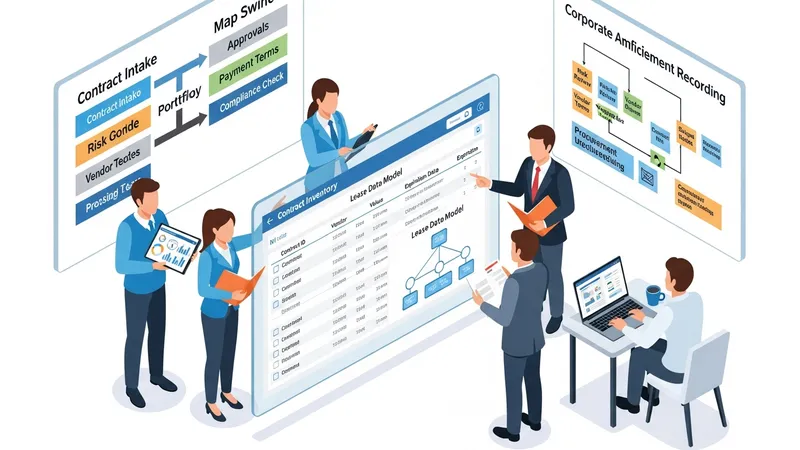
Operational workflows connecting leasing, procurement, legal, and accounting functions often influence how systems are configured and used. Effective implementations commonly begin with a contract inventory and a defined data model specifying which fields populate measurement engines. Cross-functional teams may map processes for contract intake, approvals, and amendment recording so that data flows into the system in a consistent format, reducing downstream rework and reconciliation effort.
Data migration and validation are frequent implementation tasks. Organizations may extract legacy schedules and populate the new system in phases, running parallel comparisons to confirm that balances and expense profiles match prior recordings. Validation exercises commonly include reconciliation of opening balances, testing of sample leases across payment types, and review of journal entry generation to ensure mapping to the financial chart of accounts is correct.
Training and change management often accompany system adoption, focusing on who is responsible for entering contract terms, executing reassessments, and approving measurement changes. Providing role-based training and written procedures may help maintain data quality. Additionally, documenting a governance framework for periodic reviews, such as annual reassessments of terms and re-evaluation of discount rates, can support ongoing accuracy and consistent accounting treatment.
Post-implementation considerations include monitoring system updates, periodically reviewing templates and mappings, and establishing routines for exception handling when nonstandard contracts arise. Organizations may schedule periodic audits of lease records to detect discrepancies and maintain confidence in system outputs. These operational practices can help ensure the system remains a reliable source for lease tracking, measurement, and reporting over time.