
Hospital Jobs: Understanding No-Experience Roles And Typical Responsibilities

Training, supervision, and credential expectations for entry-level hospital roles
Initial training for entry-level hospital roles commonly includes an orientation that covers institutional policies, workplace safety, confidentiality rules, and role-specific procedures. Topics often include infection prevention practices, safe handling of linens and waste, patient privacy basics, and emergency response protocols. Many facilities require completion of online modules or classroom sessions followed by supervised practical training. Documentation of training completion and occasional competency checks help ensure staff perform tasks according to facility standards and regulatory expectations.
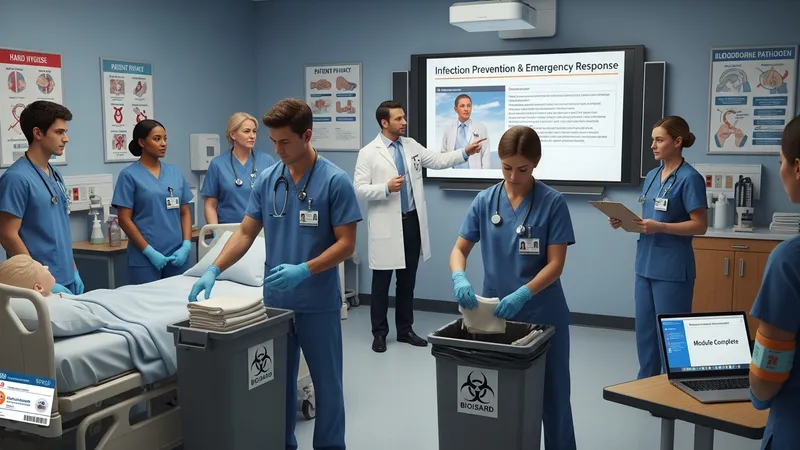
Health and safety prerequisites are typical for roles involving patient contact or work in clinical areas. These may include background checks, immunization verification, tuberculosis screening, and training on bloodborne pathogen precautions consistent with national workplace guidelines. While formal clinical certifications are not always required for these entry-level roles, some positions may request or prefer completion of basic life support (BLS) or similar credentials. Supervisors commonly monitor early performance and provide corrective feedback during initial shifts.
Supervision structures vary by department size and facility complexity. In unit settings, an experienced lead or charge person may assign work and review performance. Centralized services such as environmental services often use team leads who coordinate daily assignments and quality checks. Mentorship or precepting during the onboarding period can support skill development, while periodic in-service sessions refresh protocols or introduce new equipment. Continuous supervision is typically reduced as staff demonstrate competence and reliability.
Pathways for additional training may be present within facilities. Some employers support or permit participation in continuing education, cross-training to adjacent support roles, or enrollment in formal technical programs (for example, certified nursing assistant or phlebotomy training) that require separate qualification. These progression options vary widely and are dependent on local hiring policies, educational resources, and workforce needs. Such pathways can provide structured routes for individuals seeking to expand responsibilities over time.