
Healthcare Billing Software: Streamlining Claims Management And Reimbursement Processes

Implementation timing, integration, security, and ongoing governance
Implementing a billing system commonly follows phases: requirements gathering, configuration, integration with clinical or scheduling systems, testing, and staff training. Timelines vary and can range from a few weeks for simple setups to several months for complex integrations. Pilot deployments and phased rollouts may reduce disruption. Project teams often include clinical, billing, IT, and compliance representatives to align technical settings with operational needs and regulatory expectations.
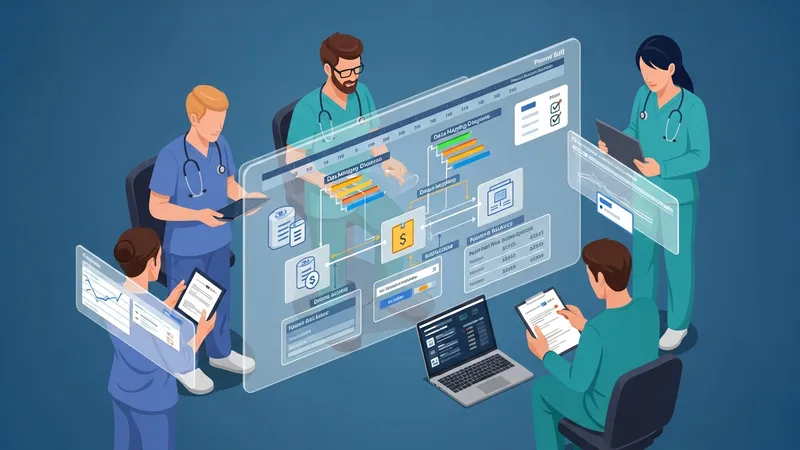
Integration considerations include data mapping between clinical records and billing modules, secure transmission of transactions, and support for standardized interfaces. Regular exchange of information between systems may reduce manual transcription errors and support near-real-time updates to patient balances. Attention to interface stability and error-handling processes is important to prevent accumulation of unresolved exceptions that impede downstream workflows.
Security and privacy are central governance issues. Protections for patient financial and health information typically involve access controls, encryption of data in transit and at rest, and audit logging. Organizations usually develop policies for user roles, password management, and incident response. Compliance with applicable data protection frameworks and privacy regulations is an ongoing condition of operation rather than a one-time task.
Long-term governance may include scheduled reviews of rule sets, periodic training refreshers for staff, and performance monitoring of key operational metrics. Establishing a feedback loop between analytics, operational teams, and governance bodies supports continuous improvement. Such governance recognizes that technical features and external payer policies evolve and that sustained attention is required to maintain alignment between technology and organizational processes.