
ERP For Small Business: How Integrated Systems May Improve Operations

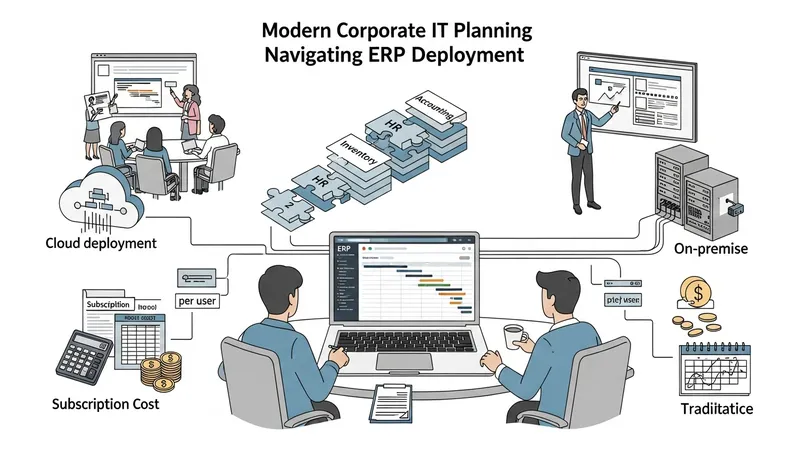
Implementation approaches, timelines, and typical cost factors
Implementation approaches for integrated systems vary from self-led cloud deployments to vendor-assisted projects. A phased rollout that begins with critical modules—often accounting and inventory—can reduce initial complexity and allow staff to adapt gradually. Timelines for a basic deployment may range from a few weeks to several months, depending on data migration needs, configuration complexity, and staff availability for testing and training. Smaller scopes and cloud-hosted options often shorten setup time, while deeper customizations or on-premise setups typically extend it.
Cost factors include software licensing or subscription fees, data migration, configuration, and ongoing support. Subscription models commonly charge per user or by transaction volume in many modern offerings, while on-premise solutions may involve one-time licensing plus infrastructure expenses. Additional costs can arise from professional services for data cleanup, integration development, and training. Organizations often budget for an initial implementation phase and a recurring operational budget for updates, backups, and user support.
Decision-makers typically consider total cost of ownership rather than only upfront fees. Elements that affect running costs include frequency of product updates, the need for third-party connectors, and whether internal staff or external partners will handle administration. For small organizations with limited IT capacity, cloud-hosted solutions with managed updates and vendor-hosted backups can shift certain responsibilities away from internal teams, but they may introduce ongoing subscription commitments to factor into operating budgets.
Change management and user adoption planning also influence the effective cost and timeline. Time allocated to staff training, documentation, and staged process changes can reduce errors and shorten the period before anticipated efficiency gains are realized. Implementation plans that include modest pilot phases for core users often reveal configuration adjustments early, helping to keep broader rollouts on schedule and within budget expectations.