
Dental Cleaning: Understanding Professional Teeth Cleaning Procedures

Preventive care approaches and home hygiene complementing professional cleaning
Professional cleaning is commonly described as one component of a preventive oral-health plan rather than a standalone solution. Daily oral hygiene practices such as mechanical plaque removal with a toothbrush and interdental cleaning are complementary measures that can reduce plaque accumulation between professional visits. Fluoride-containing products and topical agents applied in-clinic may provide temporary enhancement of enamel resistance to demineralisation, but their effectiveness depends on consistent home care and overall risk factors.
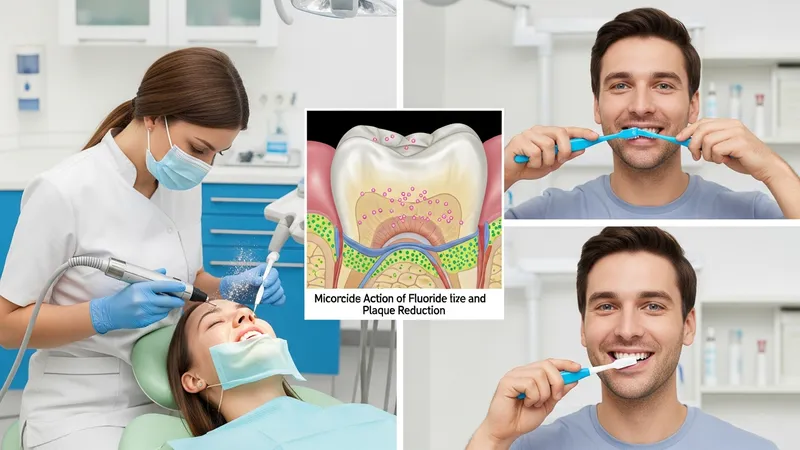
Interdental cleaning approaches vary and may include flossing, interdental brushes, or water-based irrigators; selection often depends on the anatomy of interdental spaces and patient dexterity. Clinicians may demonstrate and tailor guidance based on observed plaque patterns or restorative considerations. Recommendations are typically presented as options to consider rather than prescriptive instructions, recognising that adherence and technique can influence outcomes over time.
Adjunctive preventive measures sometimes discussed in clinical settings include topical fluorides, desensitising agents, and sealants where applicable. These measures may be indicated following an assessment of risk for caries or sensitivity and are described in terms of potential benefit rather than guaranteed outcomes. Decisions about adjunctive use are often framed as part of a risk-based preventive strategy and may be revisited as clinical status evolves.
Behavioural and dietary considerations can affect plaque formation and stain accumulation. Frequent exposure to fermentable carbohydrates or acidic beverages may increase susceptibility to demineralisation, while tobacco use can contribute to surface staining and changes in periodontal status. Clinicians may document such factors during visits and present them as considerations that can influence the selected professional cleaning approach and maintenance intervals.