
Car Crash Attorneys: Understanding Legal Representation After An Auto Accident

Evidence collection, documentation, and preservation in auto-accident representation
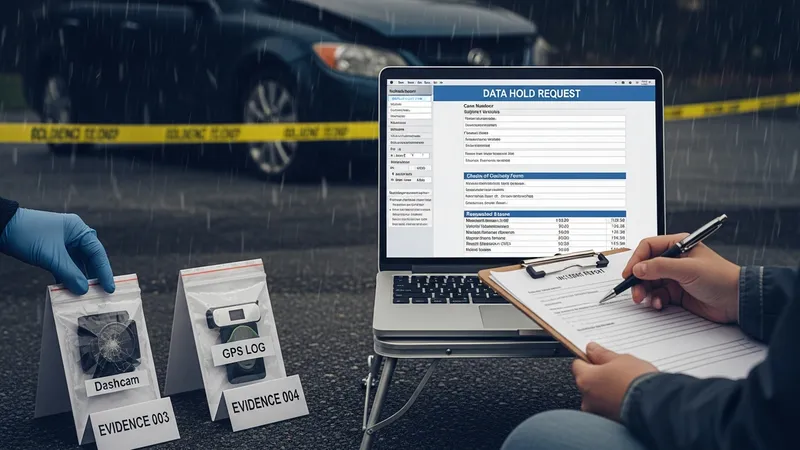
Gathering and organizing evidence is central to substantiating claims after a motor vehicle collision. Evidence types often include official incident reports, photos of the scene and vehicles, medical records, repair estimates, witness statements, and digital records such as GPS logs or dashcam footage. The admissibility and weight of each item can vary by jurisdiction. Preservation actions—like issuing data hold requests or obtaining prompt copies of surveillance footage—may be critical because certain sources overwrite or become unavailable over time.
Medical documentation frequently serves a dual role: establishing the fact and extent of injuries and linking treatment to the incident. Typical documents include emergency department notes, imaging reports, specialist evaluations, and bills or statements. Where treatment is ongoing, practitioners often compile longitudinal records to demonstrate a medical chronology. Another common practice is retaining neutral expert evaluations to corroborate causation and expected recovery patterns when those issues are contested.
Technical evidence such as vehicle damage analysis and accident reconstruction can elucidate impact forces, trajectories, and likely points of collision. Qualified technicians or reconstruction specialists may produce reports used during negotiation or in court. Chain-of-custody and clear labeling of exhibits help maintain credibility. Practitioners often balance the time and cost of specialized evidence against its potential value in clarifying complex causal issues.
Insider considerations for evidence management include documenting contemporaneous observations, preserving electronic data quickly, and verifying official report accuracy. Photographs with timestamps, written witness statements obtained close to the event, and retained repair estimates tend to be most reliable. These practices typically aim to reduce factual disputes and support clearer resolution efforts, recognizing that the strength of the evidentiary record commonly affects case trajectory.