
Car Accident Lawyers: Understanding Their Role In Personal Injury Claims

Litigation procedures and courtroom representation for collision-related personal claims
When a claim proceeds to litigation, formal procedures such as pleadings, discovery, and motion practice structure case development. Pleadings establish the parties and basic factual and legal allegations. Discovery—interrogatories, document requests, and depositions—permits factual narrowing and expert identification. Motions may resolve disputes over evidence, jurisdiction, or procedural matters prior to trial. Attorneys typically prepare witness lists and exhibits and may conduct mock examinations to prepare witnesses. These procedural steps are governed by court rules that vary by jurisdiction and can influence strategy and timelines.
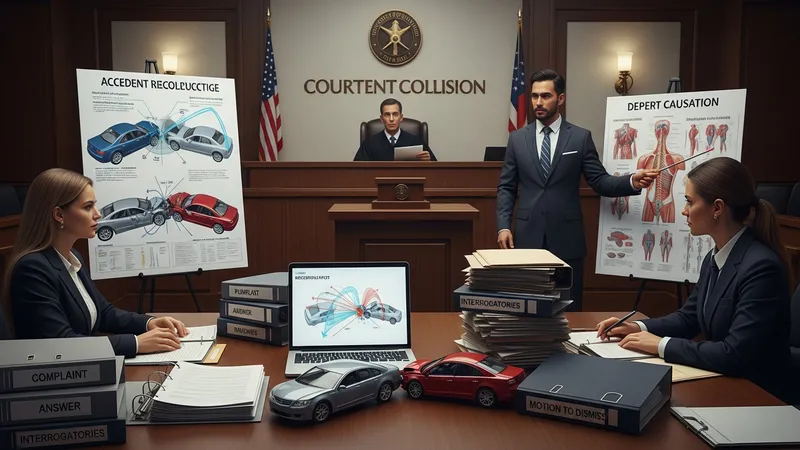
Expert testimony often plays an important role in complex issues like accident reconstruction or medical causation. Experts typically produce written reports and may be deposed prior to trial. Counsel evaluates the necessity of experts based on case complexity, likely defenses, and comparative cost. Presentation of expert opinions at trial requires adherence to admissibility standards in the relevant jurisdiction, which may include reliability and relevance thresholds. These considerations help frame the evidentiary strategy but do not guarantee specific judicial rulings.
Courtroom presentation focuses on persuasive, admissible evidence and clear witness testimony. Trial preparation commonly includes organizing exhibits, preparing demonstratives, and rehearsing direct and cross-examinations. Jury instructions and the selection process (voir dire) may shape trial dynamics in jurisdictions that use juries. Trials may culminate in verdicts, and subsequently parties may file appeals addressing legal errors. The prospect of trial often influences settlement calculus earlier in the process, given differences in time and resource commitments.
Post-trial and enforcement matters can include judgment collection, liens, or appeals. Counsel may assist in enforcing a judgment or in negotiating post-judgment resolutions. In some cases, statutory caps, subrogation claims, or policy limits affect post-judgment recovery. These downstream matters are typically part of comprehensive case planning discussed during earlier phases, framed as procedural possibilities rather than assured results. Understanding these potential outcomes may help claimants and representatives plan for administrative and financial implications following trial or settlement.