
Car Accident Lawyers: Understanding Their Role In Personal Injury Claims

Evidence gathering and documentation processes in motor-vehicle collision claims
Collecting and organizing evidence is a central component of claim development and often proceeds in stages. Early steps commonly involve preserving perishable materials like photographs, dashcam footage, and contemporaneous witness statements. Medical records and billing statements are gathered to document treatment and economic loss. Where relevant, counsel may request vehicle inspection reports, maintenance histories, or event data recorder information. Proper chain-of-custody practices and contemporaneous notes can help maintain evidentiary integrity should the matter advance to litigation or formal dispute resolution.
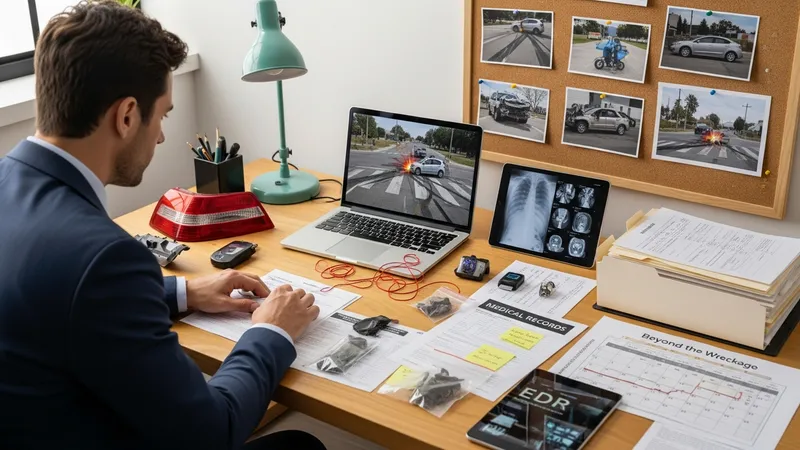
Coordination with medical providers is frequently necessary to create clear treatment timelines and causation narratives. Attorneys often seek narrative medical records, diagnostic imaging reports, and treating provider summaries that link injury to treatment. Where causation is disputed, counsel may obtain independent medical examinations or expert opinions; such steps can clarify contested medical issues but may also involve additional time and expense. These actions are presented as investigative choices that can strengthen evidentiary support rather than guarantees of recovery.
Witness statements and third-party records can play a useful role in corroborating accounts. Counsel often attempt to identify neutral witnesses and secure written or recorded statements while recollections are fresh. Public records—such as traffic citations or municipal maintenance reports—may provide context about roadway conditions or traffic control devices. In some cases, legal practitioners use subpoenas or preservation letters to compel retention of surveillance footage or electronic records that might otherwise be overwritten.
Organizational practices for documentation can affect efficiency later in a claim. Creating a chronological file, maintaining clear billing and expense records, and developing exhibit lists for major items of proof are typical practices. These organizational steps often facilitate settlement discussions and prepare the case for possible discovery or trial. While such practices do not ensure a particular outcome, they may make legal processes more transparent and manageable for clients and opposing parties.