
Amazon Marketing Materials: Key Elements For Optimized Product Detail Pages

Amazon Marketing Materials: Product Titles and Keyword Integration
Product titles are commonly the first structured textual element shoppers see and are therefore crafted to balance concise identification with searchable terms. Title formats may include brand, model or line, primary attribute, and a size or quantity indicator. Marketplace guidelines often recommend avoiding promotional or subjective language; content creators typically use measurable attributes instead. When integrating keywords, teams usually prioritize the most relevant phrases early in the title so that both human readers and indexing systems encounter the core descriptors promptly.
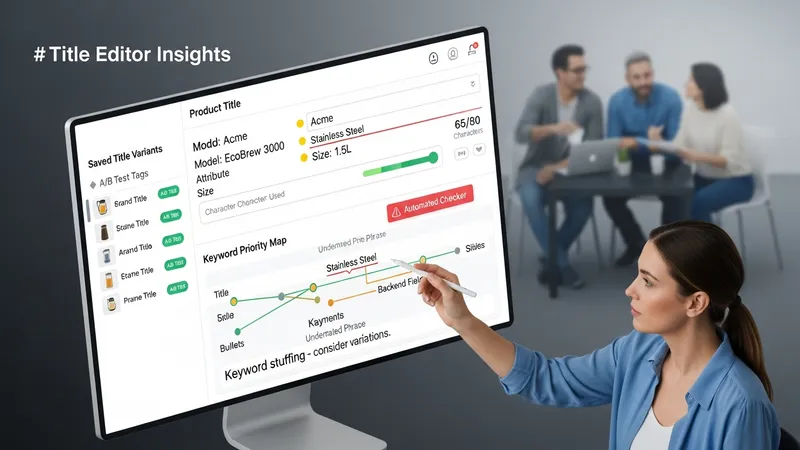
Length considerations for titles can vary by category and platform policy; teams often follow the specific character limits or softened thresholds that marketplaces publish. Content contributors may create title variants for testing in private workflows but typically deploy only approved versions live. Keyword stuffing or duplicate phrasing within a title may be penalized by automated checks, so practitioners usually map keyword priority across title, bullets, and backend fields rather than repeating identical strings in every field.
Localization and formatting conventions also influence title construction. Where units (e.g., “oz”, “cm”) or measurement formats differ by region, teams commonly standardize to the marketplace-preferred format. Special-case items such as bundles or multipacks often include quantity indicators in a standardized spot within the title to avoid ambiguity. For registered brands, title guidelines may require inclusion of the brand name in a consistent position to support brand recognition and internal cataloguing.
As a consideration, content reviewers often maintain a short style guide that describes acceptable abbreviations, punctuation rules, and capitalization patterns for titles. This small governance artifact can help maintain consistency across many listings and make automated quality checks easier to apply. Documented examples of compliant and non-compliant title formats may be stored alongside policy references for onboarding new contributors and for periodic audits of live listings.