
2026 Compact Utility Truck: Design Overview, Payload Capacity, And Everyday Use

Payload capacity and load management for compact utility trucks
Payload ratings indicate the mass a vehicle can carry in passengers and cargo without exceeding its gross vehicle weight rating (GVWR). For compact utility pickups, manufacturers may list payload figures that reflect typical single- or dual-axle setups; drivers should account for occupants and installed equipment when assessing usable payload. Weight distribution matters: placing heavier items directly over or slightly forward of the rear axle can help maintain handling predictability. Practical load management often involves planning cargo layout to keep the center of gravity low and balanced.
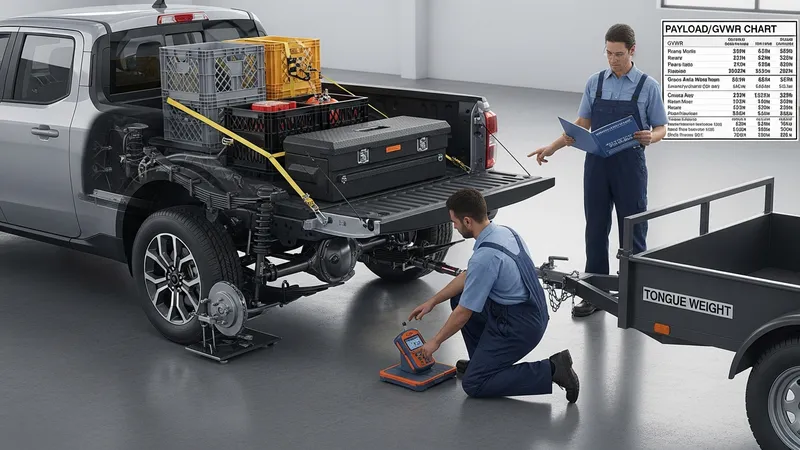
Tools for assessing payload include vehicle placards, owner’s manual charts, and portable scales. Loading a truck beyond its rated payload can accelerate wear on suspension, brakes, and tires, and may change the vehicle’s braking distance and steering feel. Users often monitor tire pressures and brake performance when regularly carrying near-capacity loads, as these components may require different maintenance intervals. Understanding rated tongue weight and trailer capacity is also essential when using the vehicle for both cargo and towing tasks.
Structural reinforcements, such as stronger frame sections or reinforced bed mounts, may be offered as options to increase payload capacity without moving into a larger vehicle class. These reinforcements typically add curb weight, which reduces the payload available for a given GVWR, so the net effect should be checked through the vehicle’s specification sheets. Manufacturers sometimes publish payload and towing packages that include cooling and braking upgrades to support repeated heavy use while maintaining acceptable component life.
Operational considerations include using tie-down points and bed organization to prevent load shift during transit. Unsecured loads can move suddenly under braking or cornering, creating safety risks and higher wear on vehicle systems. Cargo nets, adjustable rails, and partitioning systems may be practical add-ons. When planning frequent heavy loads, it may be informative to estimate average carried mass and service intervals to align expectations for vehicle durability and maintenance planning.